Mobility Training: How Successful People Stay Agile
Lesezeit: 9 Minuten
High achievers understand that physical flexibility translates to professional resilience. The fitness habits successful people cultivate extend beyond strength training and cardio, embedding daily mobility work into routines that protect against injury and sustain performance well into their seventies and eighties. Mobility training addresses the foundation of functional movement, a practice that separates those who merely survive their careers from those who thrive decades beyond retirement.
Successful individuals treat their bodies as long-term investments. They recognise that tight hip flexors compromise posture during board meetings, limited shoulder mobility undermines presence, and neglected ankle stability increases fall risk during travel. These small deficits compound over time, creating the physical decline many accept as inevitable ageing.
Why Mobility Differs From Flexibility
Flexibility measures passive range of motion. Mobility combines flexibility with strength and control throughout that range. A dancer might touch their toes with straight legs, demonstrating flexibility. An athlete performing a deep squat with perfect form while holding a weight overhead demonstrates mobility.
According to research published by the American Council on Exercise in 2019, mobility training reduces injury risk by 23% compared to flexibility work alone. The distinction matters because real-world movement requires controlled strength through full ranges of motion, not passive stretching on a mat.
Top performers prioritise mobility because it directly impacts their capacity to execute. Limited thoracic spine rotation affects golf swings and tennis serves. Restricted ankle dorsiflexion alters gait patterns, creating knee and hip problems that derail active lifestyles. These limitations don't announce themselves until significant damage accumulates.
Morning Mobility Protocols High Achievers Follow
Successful people embed mobility work into existing routines rather than treating it as optional. Morning practice prepares the nervous system for the day ahead whilst addressing stiffness accumulated during sleep.
The Five-Minute Joint Sequence
Many high performers complete a specific sequence before their first meeting. This protocol targets major joints with controlled articular rotations, moving each joint through its full available range without forcing end ranges.
- Neck circles and figure-eights in both directions, six repetitions each
- Shoulder circles forward and backward, eight repetitions per direction
- Thoracic rotations whilst maintaining stable hips, ten repetitions per side
- Hip circles and controlled leg swings, eight repetitions in each plane of motion
- Ankle circles and dorsiflexion pumps, twelve repetitions per foot
This sequence takes less time than checking email yet delivers measurable improvements in movement quality. The practice originated in martial arts training, adapted by movement specialists like Ido Portal who trained athletes and executives throughout the 2010s.
Targeted Problem Areas
Desk-bound professionals focus on hip flexors and thoracic spine. Hours spent seated create adaptive shortening in hip flexors whilst the upper back rounds forward. A 2021 study from the Journal of Bodywork and Movement Therapies found that office workers who performed daily hip flexor mobilisation experienced 31% less lower back pain over six months.
Successful individuals address these patterns proactively. They incorporate 90/90 hip stretches, spending two minutes per side whilst reviewing morning news. They perform thoracic extensions over foam rollers during phone calls, transforming dead time into movement quality improvements.
Fitness Habits Successful People Prioritise for Longevity
Long-term thinking separates sustainable practices from short-term fixes. High achievers view mobility training as injury prevention rather than performance enhancement alone. This perspective shift changes behaviour patterns significantly.
Functional Movement Assessments
Many successful people schedule quarterly movement screens with qualified practitioners. These assessments identify asymmetries and restrictions before they manifest as pain or injury. The practice mirrors financial audits, catching small problems whilst correction remains simple.
Assessment typically includes squat patterns, shoulder mobility tests, and single-leg balance challenges. Results guide specific mobility work rather than generic stretching programmes. This targeted approach delivers better outcomes with less time investment, appealing to efficiency-minded individuals.
Integration With Existing Training
Elite performers weave mobility work into warm-ups and cool-downs rather than scheduling separate sessions. A ten-minute mobility warm-up precedes strength training, preparing joints for loaded movement whilst improving workout quality. Similarly, recovery techniques elite athletes use often emphasise post-training mobility to restore range and reduce soreness.
This integration ensures consistency. Mobility becomes non-negotiable when embedded in established routines rather than positioned as supplementary work easily skipped during busy periods.
Specific Mobility Exercises Top Performers Practice

Certain movements appear repeatedly in successful people's routines. These exercises address common restriction patterns whilst delivering significant return on time invested.
The World's Greatest Stretch
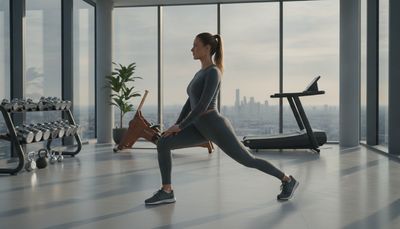
This dynamic movement combines hip flexor lengthening, thoracic rotation, and ankle mobility in one fluid pattern. From a lunge position, practitioners rotate their torso toward the front leg whilst reaching overhead, then thread the arm underneath for counter-rotation.
The exercise earned its name within strength and conditioning circles for good reason. It addresses multiple limitation patterns simultaneously, making it time-efficient for busy schedules. Three repetitions per side deliver noticeable improvements in movement quality.
Controlled Articular Rotations
CARs involve moving joints through their full available range whilst maintaining tension in surrounding muscles. This practice improves joint health by distributing synovial fluid whilst mapping neurological control throughout movement ranges.
High performers complete shoulder CARs before upper body training and hip CARs before lower body work. The practice takes two minutes yet significantly improves subsequent exercise quality whilst reducing injury risk over time.
Loaded Progressive Stretching
Unlike passive flexibility work, loaded stretching builds strength in lengthened positions. A common example involves the deep squat hold, where practitioners sit in the bottom position whilst maintaining upright posture for timed intervals.
This approach develops the stability required to use newfound range of motion. Flexibility without strength creates unstable joints vulnerable to injury. Successful people avoid this trap by emphasising control throughout movement ranges.
Technology and Tracking for Accountability
Many high achievers apply quantification habits to mobility practice. Just as they track business metrics and financial performance, they measure flexibility and movement quality improvements.
Simple assessments include sit-and-reach tests, shoulder rotation measurements, and squat depth tracking. Monthly progress photos reveal postural improvements that daily observation misses. This data-driven approach satisfies analytical minds whilst maintaining motivation through visible progress.
Some practitioners use applications like ROMWOD or Movement Vault for guided sessions and progress tracking. Others prefer manual journaling, recording which areas feel restricted and noting improvements over weeks. The specific method matters less than consistent measurement. Similar systematic approaches appear in time-blocking systems top CEOs use to organise their days.
Mobility Work in High-Pressure Environments
Successful people face particular mobility challenges. Long-haul flights, extended meetings, and high-stress periods create physical tension that compounds quickly. Strategic mobility interventions during these periods prevent small restrictions from becoming chronic problems.
Savvy travellers perform ankle pumps and hip circles during flights every thirty minutes. They book hotels with adequate floor space for morning mobility routines. They schedule walking meetings when possible, integrating movement into work rather than sacrificing it to productivity demands.
These small adjustments accumulate significant benefits. Maintaining mobility during demanding periods prevents the decline that necessitates extensive rehabilitation later. The approach reflects the same forward-thinking perspective that drives professional success.
Professional Support and Expert Guidance

Many high performers work with movement specialists who design personalised mobility programmes. These practitioners assess individual restriction patterns, create targeted protocols, and provide accountability through regular check-ins.
Quality guidance accelerates progress whilst preventing common mistakes. Self-directed mobility work often reinforces existing movement patterns rather than correcting them. Expert assessment identifies blind spots and prescribes specific interventions that generic programmes miss.
The investment parallels hiring financial advisers or business coaches. Successful people recognise that professional guidance in specialised areas delivers returns that justify costs. Physical longevity warrants the same strategic investment as wealth management.
Long-Term Thinking and Delayed Gratification
Mobility training rarely delivers immediate dramatic results. Benefits accumulate gradually over months and years. This characteristic makes it unappealing to those seeking quick fixes yet perfectly suited to successful individuals accustomed to delayed gratification.
High achievers understand compounding effects. Small daily deposits in mobility create substantial capacity decades later. They've observed peers whose neglected physical maintenance undermines enjoyment during retirement years that should represent freedom and opportunity.
This perspective transforms mobility from optional supplement to non-negotiable foundation. The fitness habits successful people maintain prioritise sustainability over intensity, consistency over sporadic heroic efforts. They recognise that showing up matters more than perfection.
Frequently Asked Questions
What is the difference between mobility training and regular stretching?
Mobility training develops controlled strength throughout a joint's range of motion, whilst stretching focuses on passive flexibility alone. Stretching might improve how far you can reach, but mobility ensures you can move effectively and safely through that range with load and control.
How long should successful people spend on mobility exercises daily?
Most high performers dedicate 10-15 minutes to targeted mobility work, typically split between morning joint preparation and post-workout restoration. Consistency matters more than duration, with brief daily practice delivering better long-term results than sporadic longer sessions.
Which mobility exercises deliver the best return on time invested?
Hip flexor mobilisation, thoracic spine rotations, and shoulder controlled articular rotations address the most common restriction patterns for professionals. These movements counteract desk work's negative effects whilst preparing the body for varied physical demands.
When should mobility training be performed for optimal results?
Morning mobility prepares joints for daily demands, whilst post-workout mobility aids recovery and restoration. Both timing options deliver benefits, with many successful people incorporating brief sessions at both points rather than choosing between them.
Can mobility training prevent injuries during high-stress periods?
Regular mobility work significantly reduces injury risk by maintaining joint health and movement quality even during demanding schedules. Consistent practice creates resilience that protects against the physical breakdown stress and overwork often trigger.
Conclusion
The fitness habits successful people maintain extend beyond aesthetic goals and performance metrics. Mobility training represents an investment in decades of capable, pain-free movement. High achievers understand that physical agility supports mental sharpness, professional longevity, and quality of life well beyond career peak years.
Building sustainable mobility requires the same strategic thinking that drives business success. Small consistent actions compound into significant capacity. Professional guidance accelerates progress. Measurement maintains accountability. The practitioners who thrive physically into their later decades share this common thread.
Begin with five minutes of joint rotations tomorrow morning. Notice which areas feel restricted. Address those limitations with targeted work. Track progress monthly. Your future self will thank you for the investment. For those committed to excellence across all life domains, consider exploring platforms like MySugardaddy, where successful individuals connect with partners who appreciate the dedication required to maintain peak physical and professional performance.