Recovery Techniques Elite Athletes Use for Peak Performance

Lesezeit: 9 Minuten
Elite athletes don't just train harder—they recover smarter. While most recreational gym-goers collapse on the sofa after a session, professionals like Cristiano Ronaldo reportedly sleep up to 12 hours daily in 90-minute cycles, whilst Olympic swimmer Michael Phelps consumed 12,000 calories during peak training to fuel muscle repair. These recovery techniques separate champions from competitors, transforming physical stress into sustainable peak performance without sacrificing body or mind.
Whether you're chasing personal records or maintaining the energy required for a demanding high-performance lifestyle, understanding how professionals manage muscle repair and inflammation reduction offers practical strategies you can implement immediately. The science behind athlete recovery isn't reserved for Olympic training centres—it's accessible, measurable, and remarkably effective when applied consistently.
Why Traditional Rest Fails Most High Performers
Sitting motionless after intense physical stress actually slows recovery. Research published in the Journal of Applied Physiology in 2018 demonstrated that complete rest increases muscle stiffness by 23% compared to active recovery methods. Blood lactate—the compound responsible for that burning sensation—clears 44% faster with light movement versus static rest.
LeBron James reportedly spends over £1.2 million annually on recovery, including hyperbaric chambers and cryotherapy sessions. This investment reflects a fundamental truth: recovery isn't passive. It's an active process requiring deliberate technique, proper timing, and physiological understanding. Most people confuse exhaustion with productivity, then wonder why performance plateaus despite increased training volume.
The Metabolic Window Myth Debunked
For years, athletes rushed to consume protein within 30 minutes post-workout, believing this "anabolic window" was critical. However, a 2017 meta-analysis in PeerJ revealed that total daily protein intake matters far more than timing. The International Society of Sports Nutrition now recommends 1.6-2.2g protein per kilogram bodyweight distributed across four meals, regardless of workout timing.
This finding liberates high performers from rigid schedules. You can attend a business dinner or enjoy leisure time without compromising muscle repair, provided overall nutritional targets are met throughout the day.
Five Recovery Techniques Professionals Actually Use
These methods aren't theoretical—they're documented practices from athletes whose careers depend on consistent peak performance. Each technique addresses specific physiological mechanisms: inflammation reduction, waste product removal, or tissue regeneration.
1. Contrast Water Therapy
Alternating between cold (10-15°C) and hot (38-40°C) water immersion forces blood vessels to constrict and dilate rapidly, effectively "pumping" metabolic waste from muscles. Rugby players at the New Zealand All Blacks use 1 minute cold, 2 minutes hot, repeated five times within 30 minutes post-match.
A 2016 study in the European Journal of Applied Physiology showed this method reduced perceived muscle soreness by 31% compared to passive rest. The technique works because temperature fluctuation increases circulation without additional muscular effort, accelerating the removal of inflammatory markers like interleukin-6.
2. Compression Garments During Sleep
Arsenal FC players wear graduated compression garments overnight during congested fixture periods. These aren't standard compression tights—medical-grade garments apply 20-30 mmHg pressure at the ankle, decreasing towards the thigh. This pressure gradient promotes venous return, reducing overnight fluid accumulation and next-morning stiffness.
Research from Sports Medicine in 2019 confirmed that overnight compression reduced creatine kinase (a muscle damage marker) by 18% compared to regular sleepwear. This matters because elevated creatine kinase indicates ongoing muscle breakdown, delaying full recovery and subsequent performance capacity.
3. Active Recovery Sessions at 30-40% Maximum Heart Rate
Rather than complete rest days, professionals schedule low-intensity movement lasting 20-30 minutes. Cyclist Chris Froome famously rides his bike at conversational pace the day after mountain stages in the Tour de France. This intensity—roughly equivalent to a brisk walk—maintains blood flow without triggering additional muscle damage.
The key metric is heart rate: staying below 40% of maximum ensures you're promoting circulation without depleting glycogen stores or stressing recovering tissue. For most adults, this translates to 100-110 beats per minute during activity.
4. Strategic Nutrition Timing for Inflammation Control
Anti-inflammatory nutrition isn't about exotic supplements. Tennis champion Novak Djokovic reportedly consumes 200g of blueberries daily during tournaments because anthocyanins—the compounds giving blueberries their colour—reduce exercise-induced oxidative stress by up to 25% according to studies from the University of North Carolina.
Similarly, omega-3 fatty acids from sources like wild salmon (2-3g daily) demonstrably reduce delayed-onset muscle soreness. Research published in The American Journal of Clinical Nutrition in 2020 showed that athletes consuming adequate omega-3s experienced 15% less muscle soreness 48 hours post-exercise compared to control groups.
5. Neuromuscular Electrical Stimulation
Devices like Compex and Marc Pro deliver low-frequency electrical impulses that trigger muscle contractions without voluntary effort. NBA teams use these during flights between games, effectively creating active recovery whilst players rest. The contractions enhance blood flow similarly to light exercise but without energy expenditure or joint stress.
A 2018 study in the Journal of Sports Science & Medicine found that 30-minute NEMS sessions reduced recovery time by approximately 22 hours for trained athletes performing high-intensity interval training. The technology essentially tricks muscles into maintaining metabolic activity during enforced rest periods.
Inflammation Reduction Beyond Ice Baths
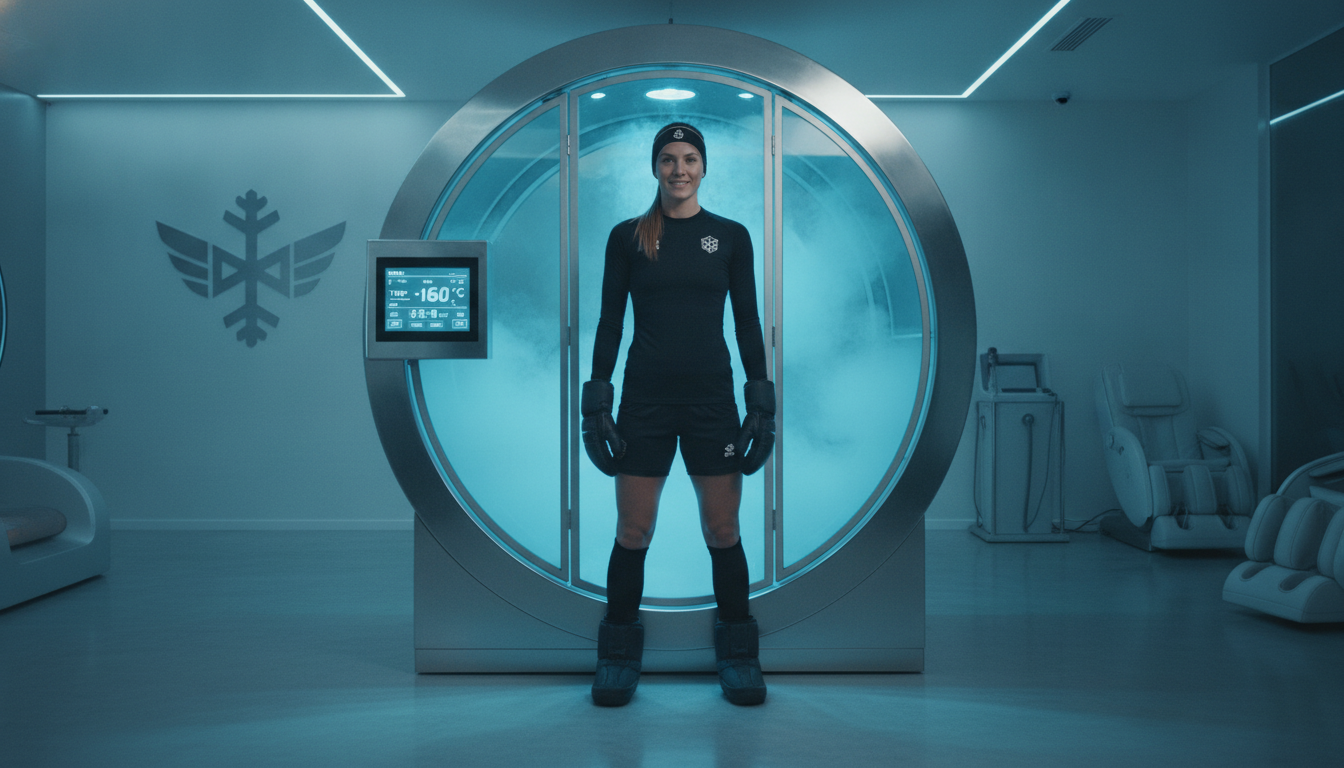
Whilst cold water immersion remains popular, emerging research questions its effectiveness for strength adaptation. A 2021 systematic review in Sports Medicine suggested that frequent ice bathing might actually impair long-term muscle growth by suppressing protein synthesis signals.
More sophisticated approaches target inflammation without compromising adaptation. Curcumin supplementation (500mg twice daily with black pepper extract for absorption) reduces C-reactive protein—a primary inflammation marker—by up to 60% according to multiple clinical trials. This explains why Formula 1 drivers increasingly use turmeric-based supplements rather than NSAIDs, which can impair gut health and long-term recovery capacity.
Sleep Architecture and Growth Hormone Release
Deep sleep stages trigger 70% of daily growth hormone production, essential for tissue repair. Elite athletes monitor sleep quality using devices like the Oura Ring or WHOOP strap, tracking not just duration but also REM and slow-wave sleep percentages.
Roger Federer reportedly sleeps 11-12 hours nightly, understanding that growth hormone peaks 90 minutes after sleep onset. Missing this window or experiencing fragmented sleep reduces recovery hormone output by 40-50%, negating daytime recovery efforts. This principle applies equally whether you're training for competition or maintaining the physical presence required in high-stakes professional environments.
Implementing Recovery Techniques Into Demanding Schedules
Professional athletes have support teams managing recovery protocols. For individuals balancing training with careers, relationships, and social obligations, simplified systems work better than complex routines requiring specialised equipment or excessive time.
- Schedule 20-minute active recovery sessions on alternate days using activities you genuinely enjoy—walking in nature, gentle swimming, or mobility work—maintaining heart rate below 110 bpm
- Implement contrast showers at home: 2 minutes warm, 30 seconds cold, repeated three times, finishing with cold to reduce inflammation
- Consume 30g protein within 3 hours of training (not necessarily immediately after) from whole food sources like Greek yoghurt, eggs, or lean meat
- Wear compression garments during long-haul flights or overnight following particularly demanding sessions
- Prioritise 7-9 hours sleep in a cool (16-18°C), dark room to maximise growth hormone release and neural recovery
Monitoring Recovery: When Pushing Through Becomes Counterproductive
Elite athletes use objective metrics rather than subjective feelings to determine readiness. Heart rate variability (HRV)—the variation in time between heartbeats—indicates autonomic nervous system recovery. A 10% drop from baseline suggests inadequate recovery, signalling the need for modified training or additional rest.
Free smartphone apps like Elite HRV measure this metric using your phone's camera. Morning measurements create baseline data, allowing informed decisions about training intensity. This systematic approach prevents the common mistake of equating soreness with progress, which often leads to overtraining and diminished results.
Recovery Techniques and Hormonal Health
Chronic under-recovery elevates cortisol whilst suppressing testosterone and growth hormone—the opposite hormonal environment required for muscle repair and peak performance. A 2019 study in Frontiers in Physiology demonstrated that athletes training without adequate recovery showed 35% lower testosterone levels despite increased training volume.
This hormonal disruption affects more than athletic performance. It impairs cognitive function, mood regulation, and metabolic health. The same recovery techniques that accelerate muscle repair also optimise hormonal balance, supporting the mental clarity required for strategic thinking and decision-making in professional contexts.
Common Recovery Mistakes That Sabotage Progress

Even with access to elite information, implementation errors undermine recovery. Alcohol consumption post-exercise reduces muscle protein synthesis by 37% according to research from Massey University in New Zealand. That celebratory drink directly impairs the adaptation you've just worked to stimulate.
Similarly, inadequate carbohydrate intake following glycogen-depleting sessions extends recovery time by 24-48 hours. Endurance athletes require 1.0-1.2g carbohydrates per kilogram bodyweight within 4 hours post-exercise to fully replenish muscle glycogen stores. Neglecting this step forces your body to break down protein for energy, sacrificing muscle repair for basic metabolic needs.
Frequently Asked Questions
What recovery techniques help reduce muscle soreness fastest after intense training?
Contrast water therapy (alternating hot and cold immersion) and light active recovery at 30-40% maximum heart rate clear metabolic waste products most effectively. Studies show these methods reduce perceived soreness by 25-31% compared to passive rest. Compression garments worn for 8-12 hours post-exercise also demonstrate measurable benefits for inflammation reduction.
How much sleep do elite athletes need for optimal muscle repair and peak performance?
Most professional athletes sleep 8-12 hours daily during intense training periods. Roger Federer sleeps 11-12 hours, whilst LeBron James reportedly averages 10 hours nightly. Growth hormone production—essential for tissue repair—peaks during deep sleep stages, making sleep quality equally important as duration for effective recovery techniques.
Why do some recovery techniques work better for certain athletes than others?
Individual responses vary based on training status, genetics, and specific activity demands. Endurance athletes benefit most from glycogen replenishment protocols, whilst strength athletes prioritise protein timing and inflammation reduction. Heart rate variability monitoring helps identify which recovery techniques produce measurable improvements in your specific context rather than following generic protocols.
When should I use active recovery versus complete rest days?
Active recovery (light movement at 30-40% maximum heart rate) works best following high-intensity sessions or competitions. Complete rest suits situations with elevated resting heart rate, reduced heart rate variability, or accumulated fatigue from consecutive training days. Monitoring objective metrics like morning HRV provides clearer guidance than subjective feelings of tiredness.
What inflammation reduction methods work without expensive equipment or supplements?
Contrast showers at home, consuming 200g daily of anti-inflammatory foods like blueberries or cherries, and ensuring adequate omega-3 intake (2-3g from whole food sources like salmon or mackerel) reduce inflammation effectively. Sleep optimisation in cool, dark conditions also powerfully reduces inflammatory markers without financial investment in recovery technologies.
Transform Recovery From Afterthought to Competitive Advantage
Elite athletes understand a fundamental truth: training creates the stimulus, but recovery techniques produce the adaptation. Whether you're pursuing athletic excellence, maintaining the physical vitality required for demanding professional environments, or simply seeking sustainable high performance across all life domains, prioritising recovery separates temporary enthusiasm from lasting results.
The recovery techniques outlined here—contrast therapy, compression, active recovery sessions, strategic nutrition, and monitored sleep—require neither enormous financial investment nor excessive time. They demand consistency, measurement, and willingness to prioritise long-term peak performance over short-term training volume. Start with one technique this week, measure its impact using objective markers like resting heart rate or subjective soreness scales, then systematically add methods that demonstrably enhance your recovery capacity and sustained performance.