Reading Habits of High Achievers: Note-Taking for Success

Lesezeit: 8 Minuten
Warren Buffett reads 500 pages daily, Bill Gates completes 50 books yearly, and Elon Musk attributes his rocket science knowledge to voracious reading. These aren't coincidental habits—they're deliberate systems that separate extraordinary performers from the rest. The reading habits of successful people share one critical element: they don't just consume information, they systematically capture and apply it through structured note-taking systems that transform passive reading into active wealth creation.
What makes the difference between reading for entertainment and reading for transformation? High achievers across industries—from tech entrepreneurs to successful singles navigating elite social circles—treat books as strategic investments. They extract maximum value by implementing proven note-taking frameworks that turn printed pages into actionable intelligence.
Why Reading Habits Define Success in Competitive Environments
The correlation between reading volume and income isn't subtle. According to research published by Thomas Corley in 2019, 88% of wealthy individuals read for self-improvement for at least 30 minutes daily, compared to just 2% of poor people. This gap widens when examining not just quantity but quality of engagement.
Successful readers approach books differently from casual consumers. They select titles strategically, often following recommendations from mentors or industry leaders. Mark Cuban credits "The Only Investment Guide You'll Ever Need" by Andrew Tobias as foundational to his financial education, whilst Oprah Winfrey built an empire partly through her deliberate reading curation.
For those entering high-stakes environments—whether closing deals or learning how to meet successful guys in exclusive settings—reading provides competitive intelligence. Books offer condensed decades of experience, allowing readers to avoid costly mistakes and accelerate learning curves that typically require years to navigate.
The Note-Taking Systems That Amplify Learning Retention
Reading without retention is entertainment, not education. Research from Princeton University and UCLA in 2014 demonstrated that handwritten notes produce 34% better conceptual understanding than laptop typing. High achievers leverage this science through specific frameworks.
The Zettelkasten Method: Building a Second Brain
German sociologist Niklas Luhmann published 70 books and 400 articles using his Zettelkasten system—a note-taking approach that creates interconnected knowledge cards. Each note contains one idea with a unique identifier, allowing cross-referencing that mirrors neural networks.
Ryan Holiday, author of "The Obstacle Is the Way," maintains a physical notecard system with over 10,000 entries. He reads with cards nearby, immediately capturing insights that later become chapters, articles, or business strategies. This tactile approach forces selective capture—only genuinely valuable ideas earn physical space.
Digital adaptations like Roam Research or Obsidian replicate this system electronically. Naval Ravikant, AngelList founder, uses similar networked thinking to connect disparate concepts, enabling the pattern recognition that drives investment decisions worth millions.
The Cornell Method: Structured Clarity
Developed at Cornell University in the 1950s, this system divides pages into three sections: notes, cues, and summary. It's particularly effective for non-fiction and business literature where practical application matters most.
During reading, capture key points in the notes column. Afterward, add keywords or questions in the cues section. Finally, summarise the entire page in 2-3 sentences at the bottom. This three-pass approach ensures comprehension and creates quick-reference materials for future review.
Finance professionals and entrepreneurs favour this method for technical books. When studying complex topics like negotiation tactics or market analysis, the Cornell structure transforms dense material into actionable frameworks.
Marginal Annotation: The Reader's Dialogue
Mortimer Adler's "How to Read a Book," published in 1940, advocates aggressive interaction with text. Successful readers don't treat books as sacred objects—they underline, star passages, write reactions, and argue in margins.
This active engagement creates personalised texts that reflect individual thinking. When revisiting annotated books months later, readers encounter not just the author's ideas but their own intellectual evolution. Those building expertise in fields like luxury lifestyle strategy or professional dating gain advantage by connecting book concepts with real-world observations through marginal notes.
Building a Reading Routine That Actually Sticks
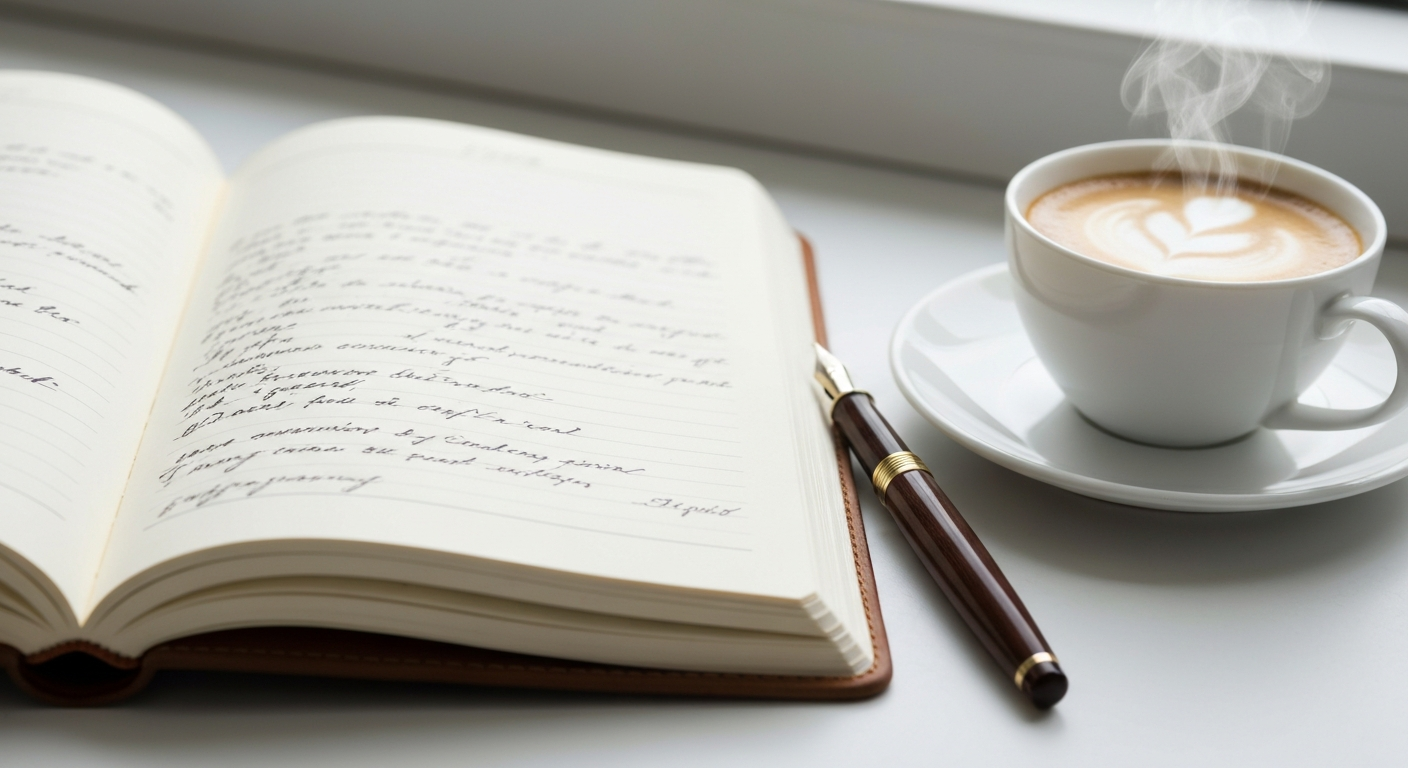
High achievers don't rely on motivation—they engineer systems that make reading inevitable. Barack Obama read briefing materials and historical biographies for one hour nightly, even during his presidency. This consistency compounds over years into extraordinary knowledge depth.
Implementation requires three elements: fixed time, defined space, and removal of friction. Morning readers like Tim Cook (4:30 AM start) and Jack Dorsey (5:00 AM meditation followed by reading) capitalise on pre-distraction hours. Evening readers benefit from wind-down routines that replace screen time with printed pages.
Physical setup matters equally. Dedicate one chair or corner exclusively for reading. Keep books visible and accessible—successful readers often maintain multiple books in progress, selecting based on energy and context. A biography might suit tired evenings, whilst technical material demands fresh morning focus.
The friction principle applies to note-taking tools as well. If your system requires 10 steps to capture an insight, you'll abandon it during actual reading. Keep notebooks or digital tools within arm's reach, pre-opened to blank pages. Some readers use voice memos for immediate capture, transcribing later during review sessions.
Books That Changed Trajectories: Specific Recommendations
Strategic reading begins with strategic selection. These titles repeatedly appear in interviews with high achievers across industries:
- "Thinking, Fast and Slow" by Daniel Kahneman—Nobel laureate's research on decision-making biases, cited by entrepreneurs from Reid Hoffman to Satya Nadella as transformative for business strategy
- "Poor Charlie's Almanack" by Charlie Munger—mental models compilation from Berkshire Hathaway's vice chairman, containing the multidisciplinary thinking framework behind billion-dollar investments
- "The Ride of a Lifetime" by Bob Iger—Disney CEO's account of navigating corporate leadership, recommended by executives for practical negotiation and acquisition insights
- "Sapiens" by Yuval Noah Harari—historical perspective that reframes modern challenges, endorsed by Mark Zuckerberg and Bill Gates for big-picture thinking
- "Atomic Habits" by James Clear—behaviour change framework based on neuroscience, applied by athletes, CEOs, and anyone building sustainable excellence
Beyond individual titles, successful readers follow curated lists. Bill Gates publishes annual reading recommendations on his GatesNotes blog. Naval Ravikant maintains a detailed book list across philosophy, science, and business. These expert-filtered selections save hundreds of hours that might otherwise waste on mediocre material.
Applying Reading Insights to Luxury Lifestyle Mastery
Knowledge becomes power only through application. High achievers implement 'reading sprints'—focused periods where they consume multiple books on one topic, then immediately test concepts in real situations.
Someone entering elite social environments might read five books on psychology, body language, and conversational intelligence within two weeks, then attend events specifically to practise techniques. This concentrated learning creates expertise faster than scattered reading over months.
The same approach applies to understanding wealth mindsets, luxury market dynamics, or relationship strategies in high-net-worth circles. Reading "The Millionaire Next Door" alongside "The Art of Seduction" and "Influence" by Robert Cialdini creates multidimensional understanding that single books cannot provide.
Integration also requires reflection time. Schedule 15-minute weekly reviews of reading notes, asking: "Which idea can I implement this week?" This conversion from knowledge to action separates professionals from amateurs across every field.
Digital Tools That Enhance Traditional Reading

Technology complements rather than replaces effective reading habits. Kindle's highlighting syncs across devices, whilst apps like Readwise resurface annotations through spaced repetition—a scientifically proven method for long-term retention.
Goodreads tracks reading history and provides social accountability through friend networks. Blinkist offers 15-minute book summaries, useful for screening titles before committing to full reads. Audible enables consumption during commutes, though comprehension studies suggest physical or e-ink reading produces superior retention.
The most sophisticated readers combine formats strategically. They might listen to audiobooks during exercise, read physical copies for deep work, and maintain digital notes for searchability. This multimedia approach maximises total reading volume whilst preserving comprehension quality.
Frequently Asked Questions
What reading speed should high achievers target?
Speed matters less than comprehension and retention. Most successful readers average 200-400 words per minute with full understanding, not the 1000+ words claimed by speed reading courses that sacrifice depth. Warren Buffett emphasises reading thoroughly over reading quickly.
How many books should one read monthly for personal development?
Quality eclipses quantity, but consistency matters. Reading 2-4 books monthly with proper note-taking yields better results than rushing through 10 books without integration. Bill Gates targets one book weekly, totalling approximately 50 annually.
Which note-taking system works best for business books?
The Cornell Method suits structured business content, whilst Zettelkasten excels for connecting concepts across multiple books. Test both for 30 days each, then adopt whichever produces more actionable insights in your specific field.
When is the optimal time for reading during daily routines?
Morning reading capitalises on peak cognitive function for complex material. Evening reading aids relaxation but suits lighter content. The critical factor is consistency—same time daily creates automatic habits that require minimal willpower.
Why do successful people prefer physical books over digital formats?
Research from Norway in 2019 showed physical books improve spatial memory and comprehension by 20-30% compared to screens. Many high achievers use physical copies for important works, reserving digital for convenience reading during travel.
Transform Information Into Competitive Advantage
Reading habits separate those who dream about success from those who systematically build it. The combination of strategic book selection, active note-taking systems, and disciplined implementation creates knowledge compounding that accelerates career growth, relationship quality, and personal fulfilment.
Every successful person interviewed attributes significant breakthroughs to concepts discovered in books. The difference lies not in access—anyone can buy the same titles—but in extraction and application. Your reading habits today determine your competitive position tomorrow.
Start with one book this week, one note-taking system, and one dedicated reading slot in your calendar. Track what you implement, not just what you consume. Within 90 days, you'll possess knowledge and frameworks that most people spend years stumbling towards through trial and error. That advantage compounds exponentially in competitive environments where informed decisions create disproportionate returns.